Glove technology has converged in 2026: premium cabretta-leather gloves from FootJoy and Titleist are competing hard on feel and construction detail, synthetic and hybrid gloves have closed much of the durability gap for a fraction of the price, and dedicated rain gloves — sold as a pair, not a single glove — remain a distinct, underused category for anyone who plays through wet weather.
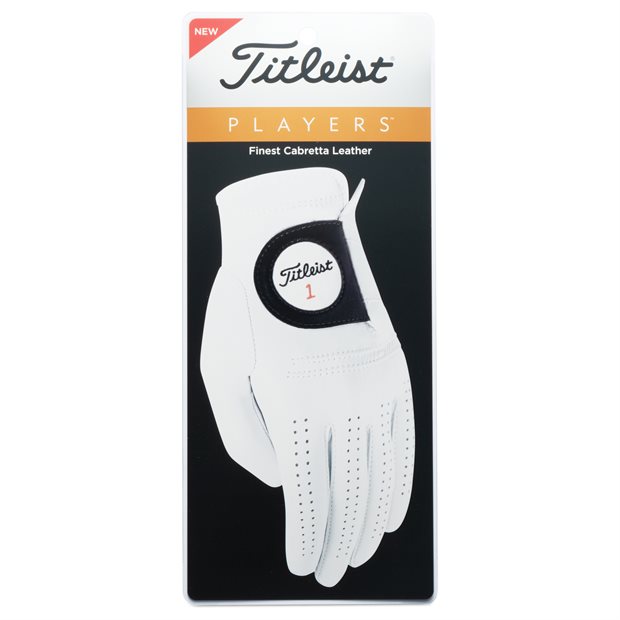
Titleist Players
$31.00Made from tanned Ethiopian cabretta leather with a CoolMax mesh panel for breathability. MyGolfSpy's 2026 buyer's guide scored it 9.4/10 and named it a Staff Pick for pairing a retro look with modern performance. This is the glove we stock at Divot Depot.
Shop at Global Golf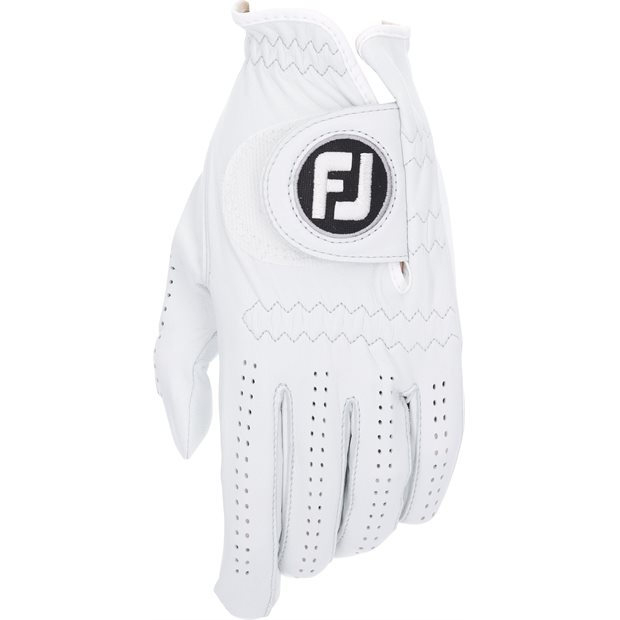
FootJoy Pure Touch Limited
$40.00FootJoy's top-tier glove, cut from what the brand calls "exclusive select" cabretta leather under a limited, tightly controlled manufacturing process. If feel is the only thing that matters to you, this is the one to try first.
Check price →Shop at Global GolfCallaway Tour Authentic Triple Diamond
$39.99MyGolfSpy's tied Best Overall pick for 2026 at 9.6/10 — an AAA cabretta leather glove testers described as "ultra-thin... comfortable, breathable, durable," which is a hard combination to pull off in one glove.
Check price →Shop at Global Golf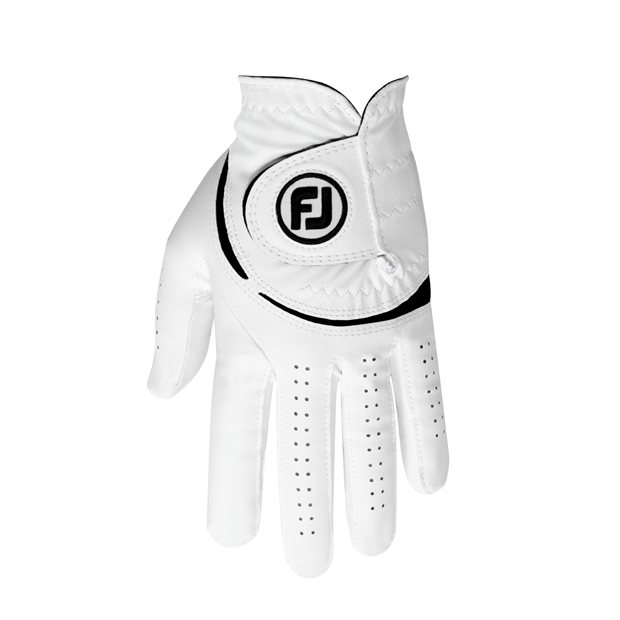
FootJoy WeatherSof
$12.99FootJoy's synthetic/hybrid glove, built from FiberSof material with mesh inserts. The brand states it's sold over 90 million of these — reportedly the best-selling golf glove in the world — and at $12.99 it's easy to see why for golfers who go through gloves quickly.
Shop at Global Golf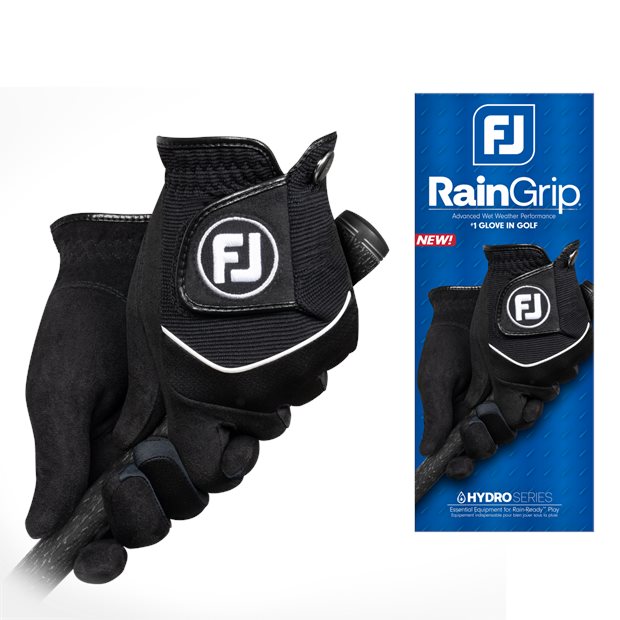
FootJoy RainGrip (Pair)
$28.00Sold as a pair, worn on both hands. The autosuede knit palm grips harder the wetter it gets — the opposite of a standard glove — with QuikDry II material on the fingers to shed water fast between shots.
Check price →Shop at Global GolfFrom Our Store: Talon Eagle and Palm Golf
Two gloves in the Divot Depot store fill gaps the big brands leave. The Talon Golf Eagle is a lightweight, 100% Cabretta leather glove with an adjustable closure and extra finger ventilation. It comes in men’s S through XXL and cadet sizes, left or right hand, and the price drops the more you buy: $15 for one, down to $11.50 a glove in a 10-pack. If you go through gloves quickly, that is the cheapest leather in this guide.
Palm Golf Co. makes AAA Cabretta leather gloves with bold printed designs, like the Hula, Sea Isle and Bungalow for men and the Canvas and Barrels and Birdies for women. Men’s sizes run S through 2XL, left or right hand, at $27.99. You get the same leather class as the tour gloves above with a lot more personality, which also makes them an easy gift.
Talon Golf Eagle Glove
$15.00100% Cabretta leather from $15, with multi-pack pricing down to $11.50 a glove. Men’s, cadet, left- and right-hand sizes.
Buy from our store →Palm Golf Co. Men’s Hula Glove
$27.99AAA Cabretta leather with a bold printed design. One of several Palm Golf patterns in our store for men and women.
Buy from our store →Cabretta Leather vs. Synthetic
Cabretta leather (from sheep hide) gives the best tactile feedback and molds to your hand the more you wear it, but it degrades faster with sweat and moisture and needs more care — air-dry it flat after a round instead of balling it up in your bag. Synthetic and hybrid gloves are more weather-resistant, need almost no maintenance, and cost less, which is why they're the better call if you play several times a week or practice heavily.
Rain Gloves Are the Category Most Golfers Skip
- Grip gets better as they get wetter — the opposite of a normal glove, which is exactly the point.
- Sold and worn as a pair — most rain gloves go on both hands, not just your lead hand.
- Brand extras vary — Cobra's StormGrip has an index finger designed to work with touchscreens; Under Armour's Drive Storm is built to be worn on both hands simultaneously.
How often should I replace a golf glove?
When it loses tackiness, gets visibly shiny or thin at the palm, or develops any tears — for a leather glove played a few times a week, that's often every few weeks to a couple months. Synthetic gloves like the WeatherSof generally last longer per glove but are cheap enough to rotate through often.
Do rain gloves actually work better wet than dry?
Yes — that's the specific design goal of the autosuede/synthetic-suede palms used on dedicated rain gloves, which is the opposite of how a standard leather or synthetic glove behaves as it gets soaked.
We may earn a commission if you purchase through our links — at no extra cost to you.