Compression measures how much a ball's core deforms under a standardized load at impact — it's not a measure of overall quality or distance. There's also no single industry-wide test standard, so independent labs sometimes report meaningfully different numbers for the exact same ball. Treat any compression figure as an approximation, not a lab-certified constant, and use it as a starting point for matching a ball to your swing speed.
Golf Ball Compression Chart (2026)
Thirty popular balls, softest to firmest. The swing-speed column is our starting-point match, based on driver swing speed.
| Ball | Compression | Best starting match |
|---|---|---|
| Wilson Duo Soft | 46 | Under 85 mph |
| Callaway Supersoft | 47 | Under 85 mph |
| Srixon Soft Feel | 60 | Under 85 mph |
| Bridgestone e12 | 61 | Under 85 mph |
| Bridgestone Tour B RXS | 65 | Under 85 mph |
| TaylorMade Soft Response | 69 | Under 85 mph |
| Titleist Tour Soft | 70 | 85–100 mph |
| TaylorMade Tour Response | 73 | 85–100 mph |
| Titleist TruFeel | 73 | 85–100 mph |
| Callaway Chrome Soft | 74 | 85–100 mph |
| Titleist AVX | 77 | 85–100 mph |
| TaylorMade Distance+ | 77 | 85–100 mph |
| Bridgestone Tour B RX | 79 | 85–100 mph |
| Titleist Tour Speed | 82 | 85–100 mph |
| Srixon Z-Star | 84 | 85–100 mph |
| Bridgestone Tour B XS | 84 | 85–100 mph |
| Titleist Velocity | 84 | 85–100 mph |
| Titleist Pro V1 | 87 | 85–100 mph |
| Callaway Chrome Tour | 87 | 85–100 mph |
| TaylorMade TP5 | 88 | 85–100 mph |
| Vice Pro | 90 | Over 100 mph |
| Srixon Z-Star Diamond | 91 | Over 100 mph |
| TaylorMade TP5x | 93 | Over 100 mph |
| Kirkland Performance+ V3 | 93 | Over 100 mph |
| Bridgestone Tour B X | 94 | Over 100 mph |
| Srixon Z-Star XV | 94 | Over 100 mph |
| Callaway Chrome Soft X | 95 | Over 100 mph |
| Titleist Pro V1x | 96 | Over 100 mph |
| Maxfli Tour X | 101 | Over 100 mph |
| Titleist Pro V1x Left Dash | 102 | Over 100 mph |
Compression ratings as published in Golf Insider UK’s 2026 chart. Other testers report different numbers for the same ball (the TruFeel shows up anywhere from about 60 to 73), so treat each figure as roughly ±5.
Low Compression (Roughly 30–70)
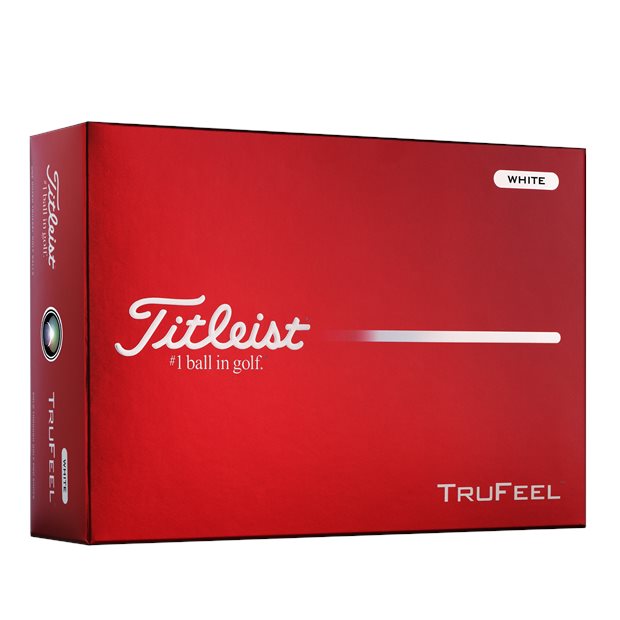
Titleist TruFeel
$25.00Titleist's own softest current ball, independently measured at roughly 60–70 compression. Built for slower swing speeds — well under 100 mph — wanting easy compression and a higher launch.
Check price →Shop at Global Golf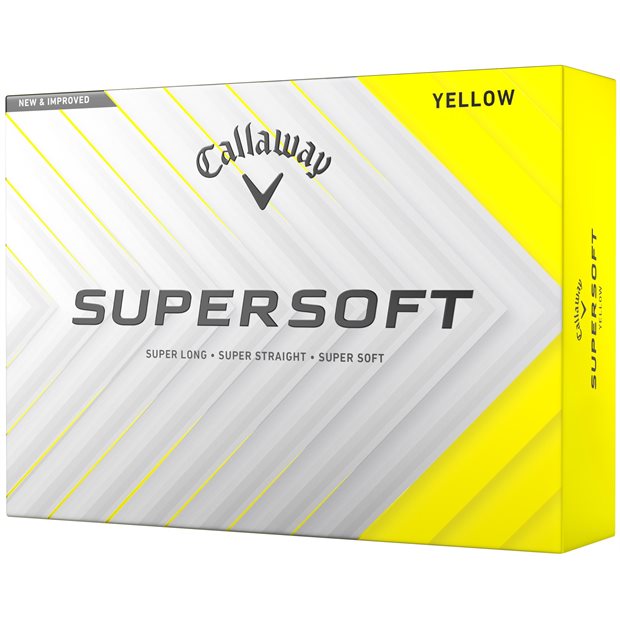
Callaway Supersoft
$26.99–$27.99Measured at approximately 49 compression by MyGolfSpy's calibrated tester — one of the softest mainstream balls on the market, aimed at moderate-to-slower swing speeds wanting easy launch and reduced side spin.
Check price →Shop at Global GolfMid Compression (Roughly 65–90)
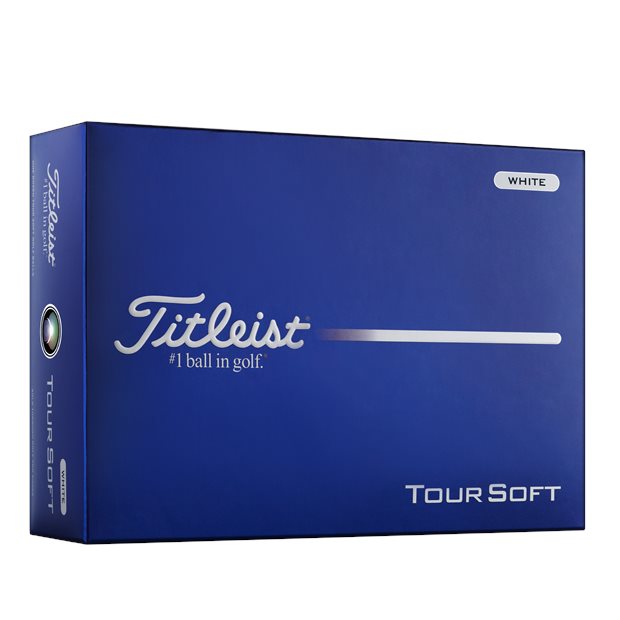
Titleist Tour Soft (2026)
$39.99Refreshed for 2026 and positioned by Titleist as the budget step up from TruFeel. Independent testers place its compression roughly in the 65–88 range depending on the lab.
Check price →Shop at Global Golf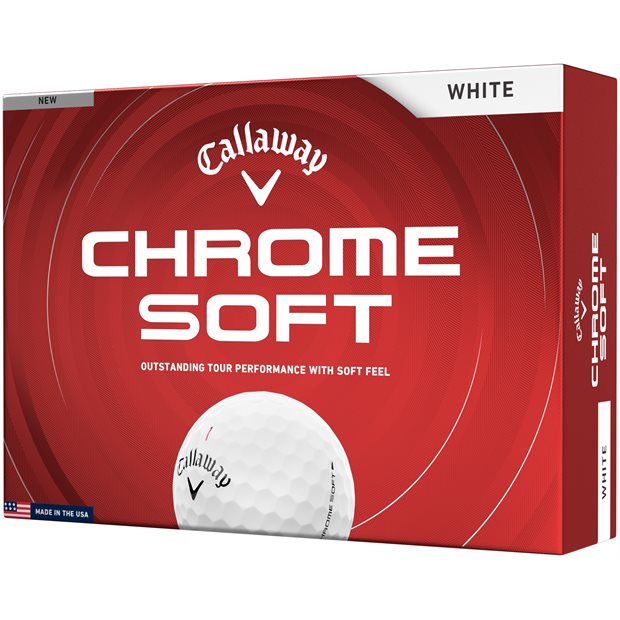
Callaway Chrome Soft
$50.00Measured around 75–77 compression — a tour-caliber ball built to give better players a softer feel without giving up short-game spin. Suited to roughly 85–100 mph swing speeds.
Check price →Shop at Global GolfHigh Compression (Roughly 90–115)
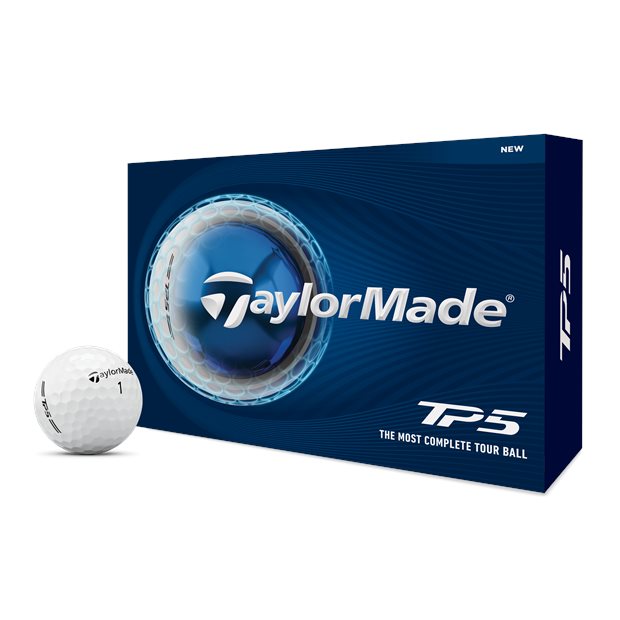
TaylorMade TP5
$57.99Independently measured around 88–93 compression depending on the lab — a firmer tour ball suited to faster swings (100+ mph) wanting a more responsive, penetrating flight.
Check price →Shop at Global Golf
Bridgestone Tour B X (2026)
$54.99Measured at roughly 98.5 compression (extra-firm) by MyGolfSpy's Ball Lab — about 7 points firmer than the 2026 TaylorMade TP5. Built for fast swing speeds wanting a firm, penetrating flight.
Check price →Shop at Global Golf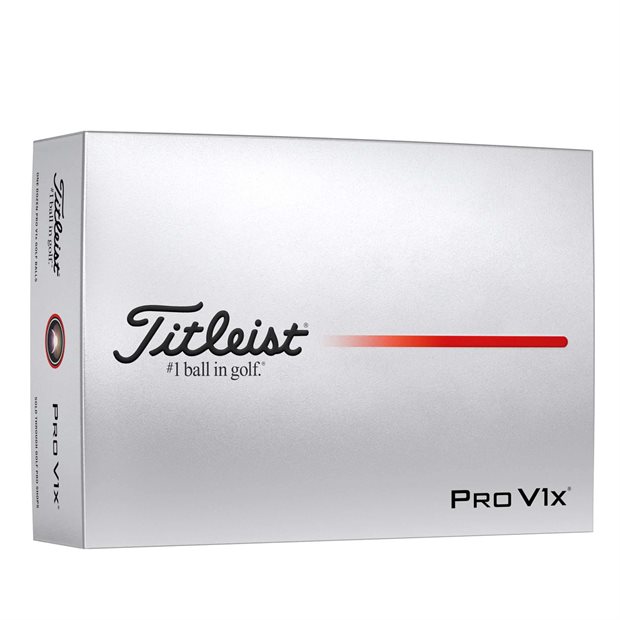
Titleist Pro V1x
$57.99The firmest ball in Titleist's current lineup at roughly 102–103 compression — built for a higher trajectory, low long-game spin, and higher short-game spin and stopping power. The top-end, fastest-swing-speed option here, and the one we carry at Divot Depot.
Check price →Shop at Global Golf| Tier | Compression | Swing Speed | Example |
|---|---|---|---|
| Low | ~30–70 | Under 85 mph | TruFeel, Supersoft |
| Mid | ~65–90 | 85–100 mph | Tour Soft, Chrome Soft |
| High | ~90–115 | Over 100 mph | TP5, Tour B X, Pro V1x |
A slower swing often can't compress a firm ball fully at impact — which can cost you both distance and feel, not just feel.
One more wrinkle worth knowing: marketing and true compression don't always line up. Titleist Velocity is marketed toward slower-swing players chasing distance, but independent testing puts it on the firmer side, not the softest ball in its lineup — worth checking lab data rather than box copy alone if compression genuinely matters to your game.
Does a softer ball always mean shorter distance?
No — for a slower swing speed, a softer ball that compresses fully at impact often produces MORE distance than a firm ball the swing can't compress properly, not less.
Do compression numbers mean the same thing across brands?
Not exactly. Because there's no single universal test standard, the same ball can show different numbers from different labs — use compression as a rough guide alongside feel and short-game spin, not a precise spec to chase.
We may earn a commission if you purchase through our links — at no extra cost to you.