A slice comes from your clubface being open relative to your swing path at impact — not from the ball sitting in your pocket. No ball fixes that. But ball choice still moves two real numbers: how much total sidespin a mis-hit generates, and how far offline that spin sends it. Here’s what’s actually worth trying, plus the one category of ball engineered to correct a slice outright — with a catch you should know before you buy a dozen.
Why Golf Balls Get Blamed for Swing Faults
Every golf ball on the market obeys the same physics: a clubface that’s open to the swing path at impact imparts side spin, and side spin curves the ball in flight. A softer, lower-spin ball can genuinely cut a few yards of curve off a bad swing by producing less total spin off the tee — but it’s rounding off the edges of the problem, not solving it. If you slice a driver 40 yards offline, a low-spin ball might bring that down to 25–30. It will not make you hit it straight. For the swing-mechanics side of this, a lesson or dedicated practice is still the only real fix.
Low-Spin Balls Worth Trying First
These are mainstream, fully conforming balls built to launch higher and spin less — a legitimate first step for anyone whose miss gets worse with a firmer, higher-spin ball.
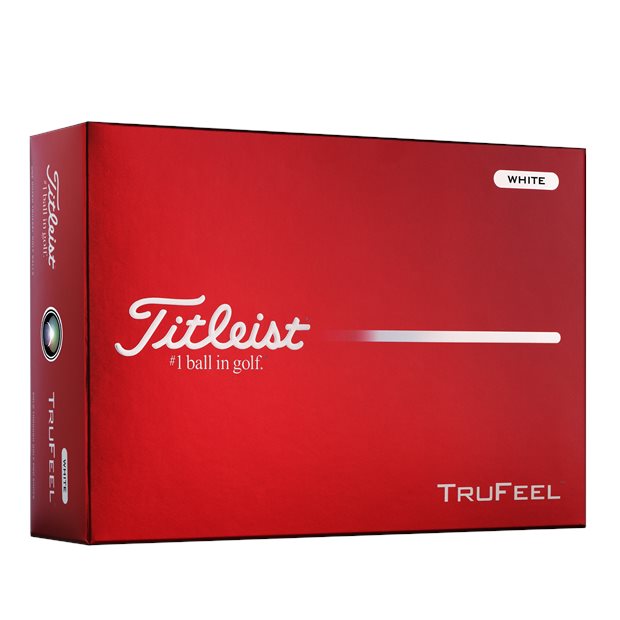
Titleist TruFeel
$25.00Titleist’s own softest current ball, built around a low-compression core that launches higher and spins less off the tee than anything else in their lineup — the easiest, lowest-risk swap if you already trust the Titleist name.
Check price →Shop at Global Golf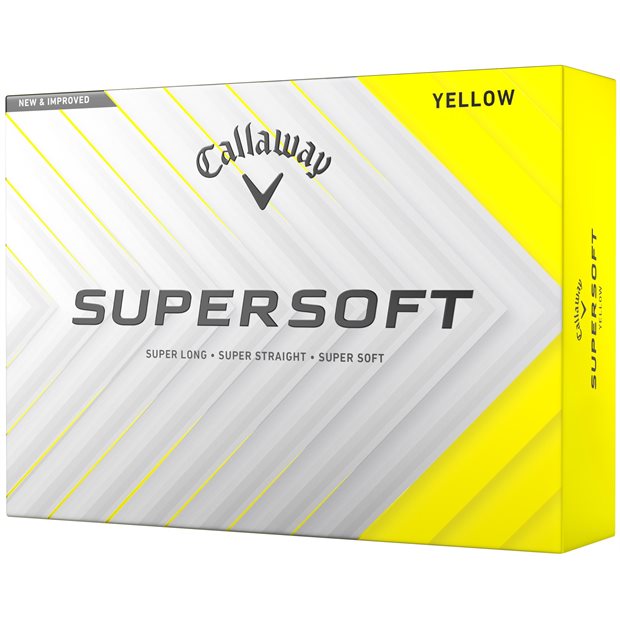
Callaway Supersoft
$26.99–$27.99One of the softest mainstream balls made, built specifically to launch high and cut spin for moderate-to-slower swing speeds — exactly the combination that shortens a slice’s curve.
Check price →Shop at Global Golf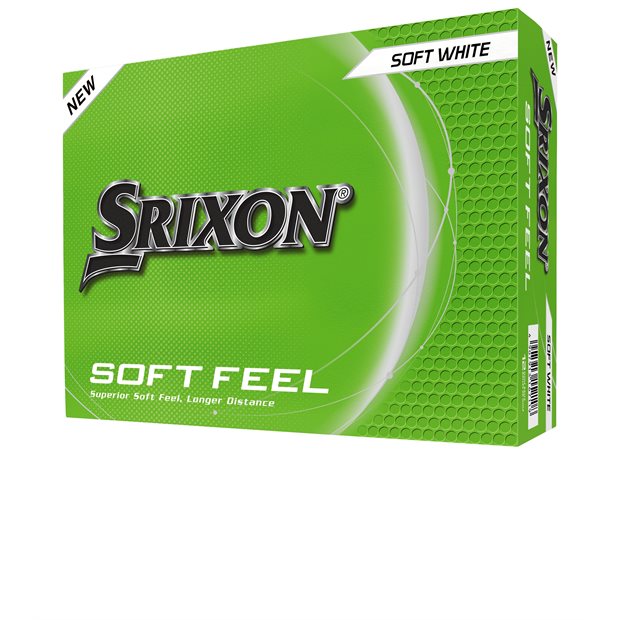
Srixon Soft Feel
$22.99A genuinely soft, low-compression 2-piece ball at one of the lowest prices from a major manufacturer — a low-risk way to test whether a softer ball helps your specific miss before spending $35+.
Check price →Shop at Global GolfBridgestone e12 Straight
$34.99Unlike the others here, this one is engineered specifically around reducing side spin — Bridgestone’s own Contact Force Dimple design is built to fight hooks and slices directly, not just launch higher and hope.
Shop at Global Golf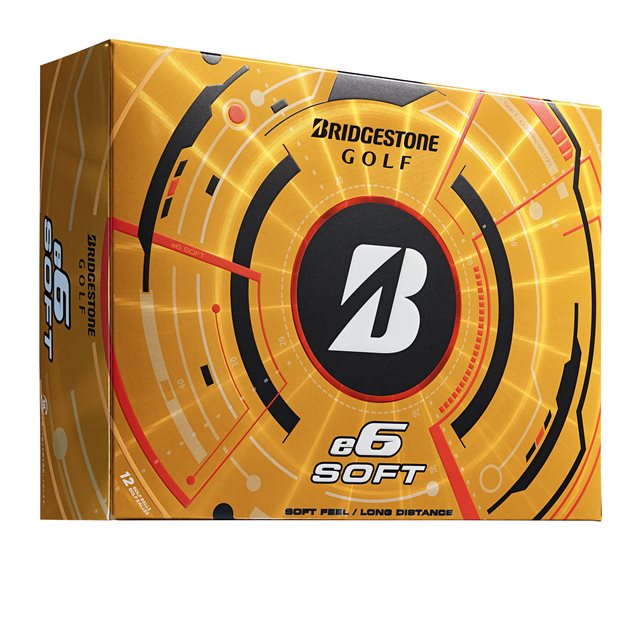
Bridgestone e6 Soft
$23.99A larger, softer core built for faster compression at lower speeds. Bridgestone’s longest-running value ball, re-engineered to be the softest-feeling e6 yet.
Shop at Global Golf| Ball | Feel | Best For | Price |
|---|---|---|---|
| Titleist TruFeel | Very soft | Slower swings, easy launch | $25.00 / dz |
| Callaway Supersoft | Very soft | Slower–moderate swings | $26.99–$27.99 / dz |
| Srixon Soft Feel | Soft | Budget-conscious testing | $22.99 / dz |
| Bridgestone e12 Straight | Soft–mid | Dimple pattern built against side spin | $34.99 / dz |
| Bridgestone e6 Soft | Soft | Distance + feel | $23.99 / dz |
Want the deeper dive on matching compression to your exact swing speed? See our full compression guide.
The Balls Built to Correct a Slice Outright
Every ball above still plays by the same Rules of Golf as anything else — they reduce spin, they don’t cancel it. One manufacturer builds something genuinely different: an asymmetric dimple pattern paired with internal weighting that actively steers the ball back toward straight during flight. Polara has built these for over a decade, and the correction is real, not marketing spin. The catch: this only works because the ball doesn’t conform to the Rules of Golf, so it’s for practice rounds and casual play only — never a handicap-eligible round or sanctioned event.
Polara Ultimate Straight
$44.95Polara’s flagship model, built to correct up to 75% of a hook or slice’s curve in flight. This is the ball Polara itself markets under the tagline “This golf ball can’t be sliced — the USGA agrees,” referencing its official non-conforming status.
Check price →Polara XD
$39.95A slightly less aggressive version of the same technology, correcting roughly half the curve of a draw or fade rather than three-quarters — a middle ground for golfers who slice moderately and don’t want to overcorrect into a hook.
Check price →Polara balls are legal to buy and play any time you’re not posting a score or entering a sanctioned event — genuinely useful for a casual round with friends, but off-limits for a USGA handicap round or club tournament.
Two Free Adjustments Worth Trying Before You Buy Anything
- Move the ball slightly forward in your stance — it gives the clubface more time to close before impact.
- Tee it a little lower with the driver — a lower tee reduces the chance of hitting up on an open face, which is what turns a fade into a full slice.
Will a low-spin ball fix my slice completely?
No. It can shorten the curve by reducing total sidespin, but the root cause — an open clubface relative to your swing path — only gets fixed by a lesson or dedicated practice.
Are Polara balls actually legal to play?
Legal to buy and play recreationally, yes. They’re officially non-conforming under USGA/R&A rules, so they can’t be used for a handicap-eligible round or any sanctioned tournament.
We may earn a commission if you purchase through our links — at no extra cost to you.