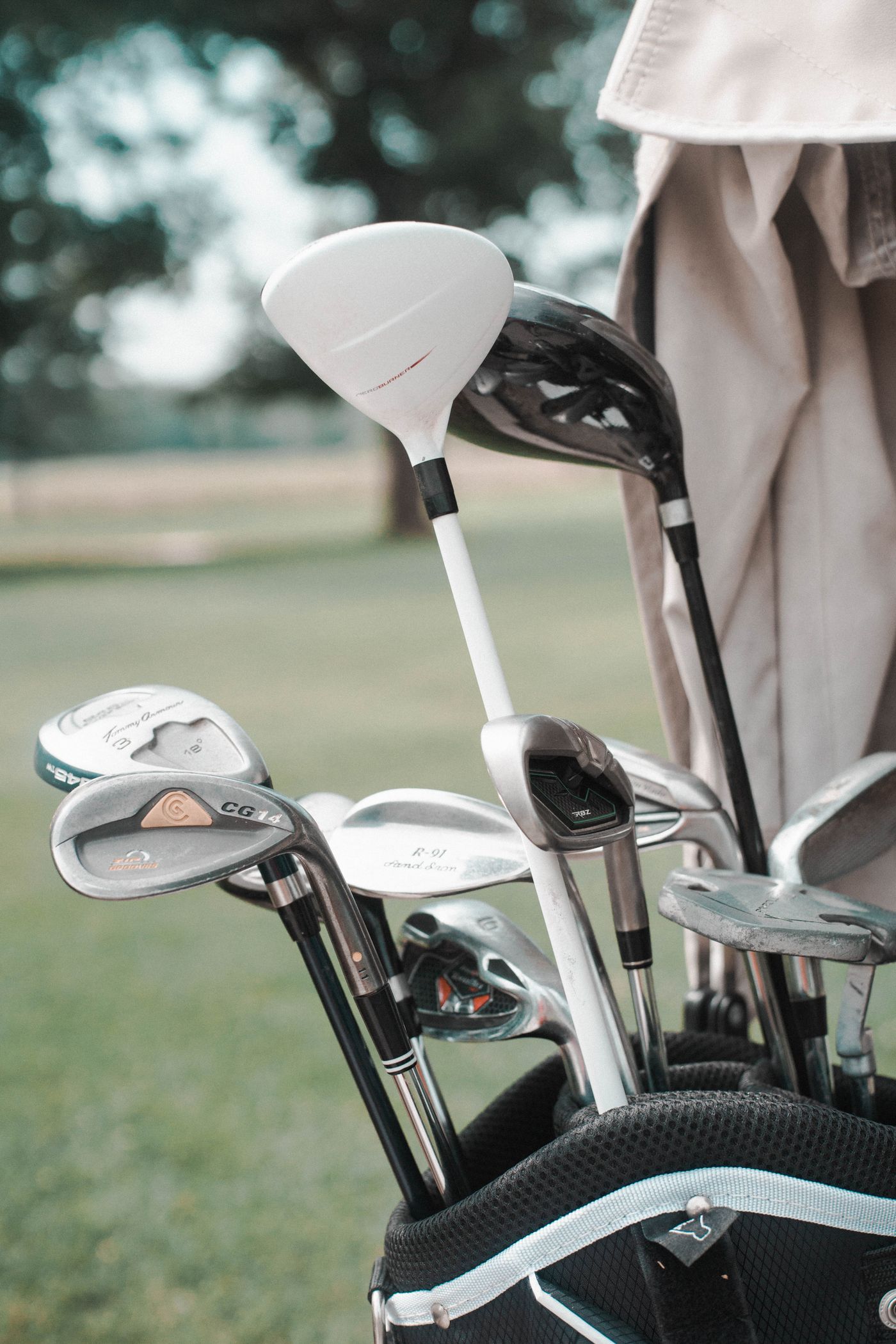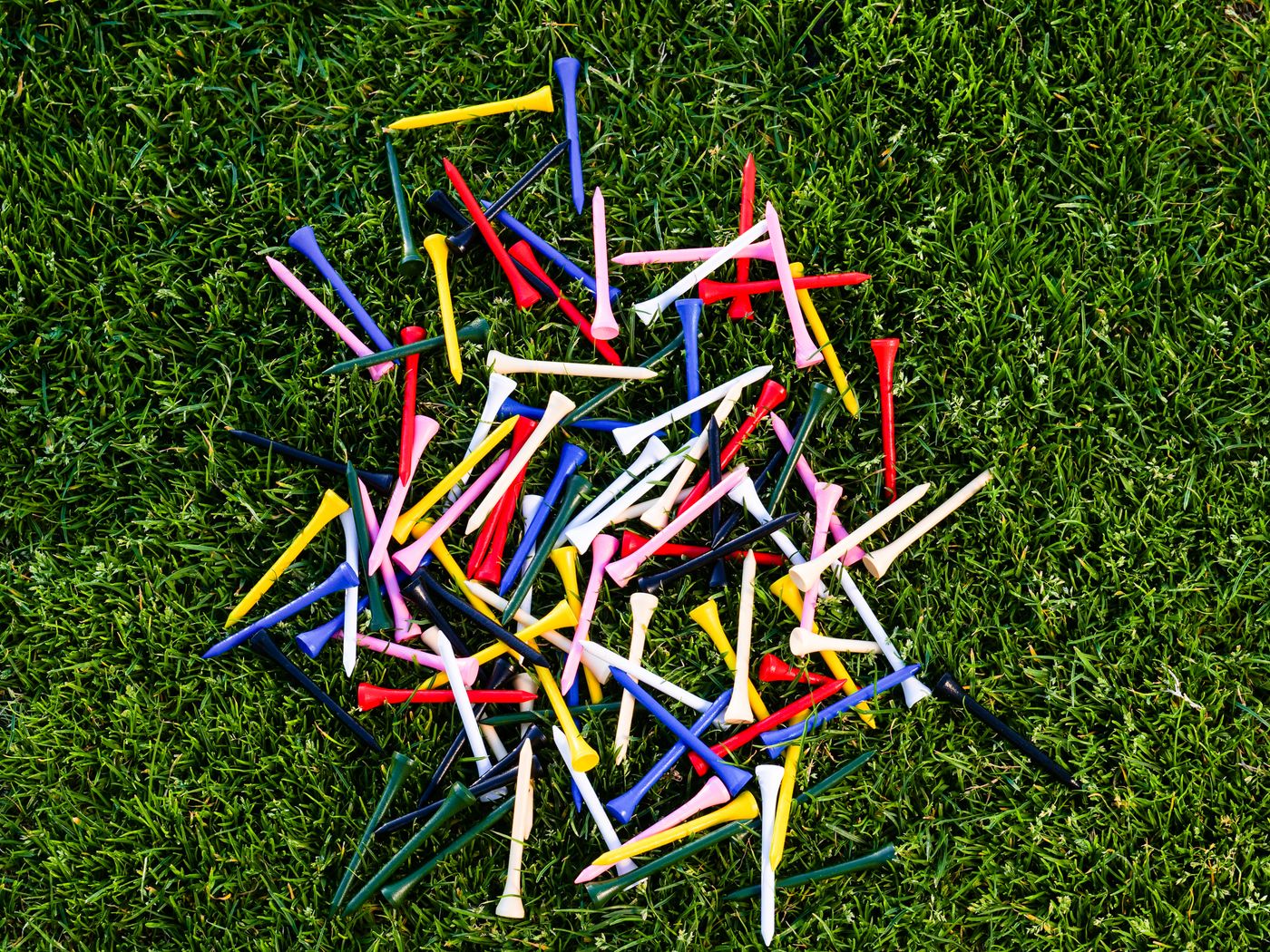
The golf industry wants beginners to buy a full 14-club set on day one. You don't need that, and buying it usually means you're carrying seven clubs you can't hit yet.
What You Actually Need to Start
- A driver — get a high-launch, forgiving head over anything marketed as "low spin" or "tour."
- One wedge — a 56° sand wedge covers full shots and greenside work while you're learning; you don't need a full wedge set yet.
- A 7-iron and a hybrid or two — hybrids are dramatically easier to hit well than long irons for a new golfer, and there's no shame in carrying one instead of a 4-iron.
- A putter that fits your height — get properly fit for length here specifically; a putter that's the wrong length changes your posture and stroke path more than people expect.
- A dozen mid-tier balls — skip tour balls entirely at first. You'll lose too many to justify the price, and you can't feel the difference yet anyway.
Buy Used for Everything Except Your Putter and Wedge
Driver and iron technology gaps close fast on the used market — a 3-year-old game-improvement iron set performs shockingly close to new for a fraction of the price. Your putter and wedge are worth buying new or carefully fit, because feel and exact specs matter more on finesse clubs than raw technology does.
Get Fit, Even on a Beginner Budget
Most big-box retailers offer free or cheap basic fittings even on entry-level clubs — length and lie angle alone, not a full custom build, will save you more strokes than any technology upgrade will in your first year.
A half-set that fits beats a full set that doesn't, every time, for a beginner.
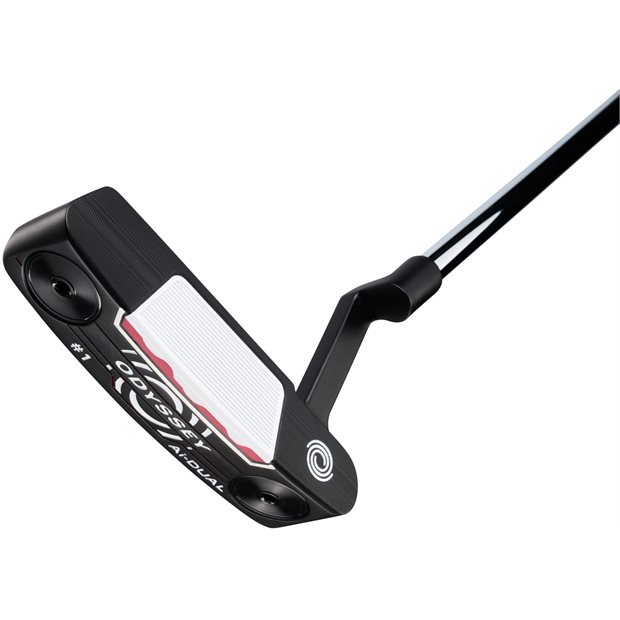
Odyssey Ai-Dual Putter
$249.99A forgiving, easy-to-align mallet — the right category for a first putter before you know your exact stroke, and worth getting properly fit for length either way.
Shop at Global Golf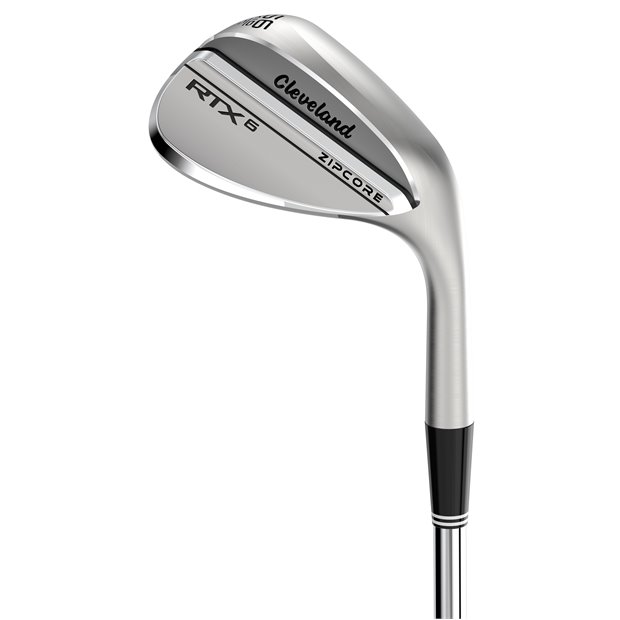
Cleveland RTX 6 ZipCore Tour Satin Wedge
$129.98One well-chosen 56° wedge covers full shots and greenside work while you’re learning — no need for a full wedge set yet.
Check price →Shop at Global GolfDivot Depot original
Our Best Drivers Under $300 roundup is the right starting point for a first driver.