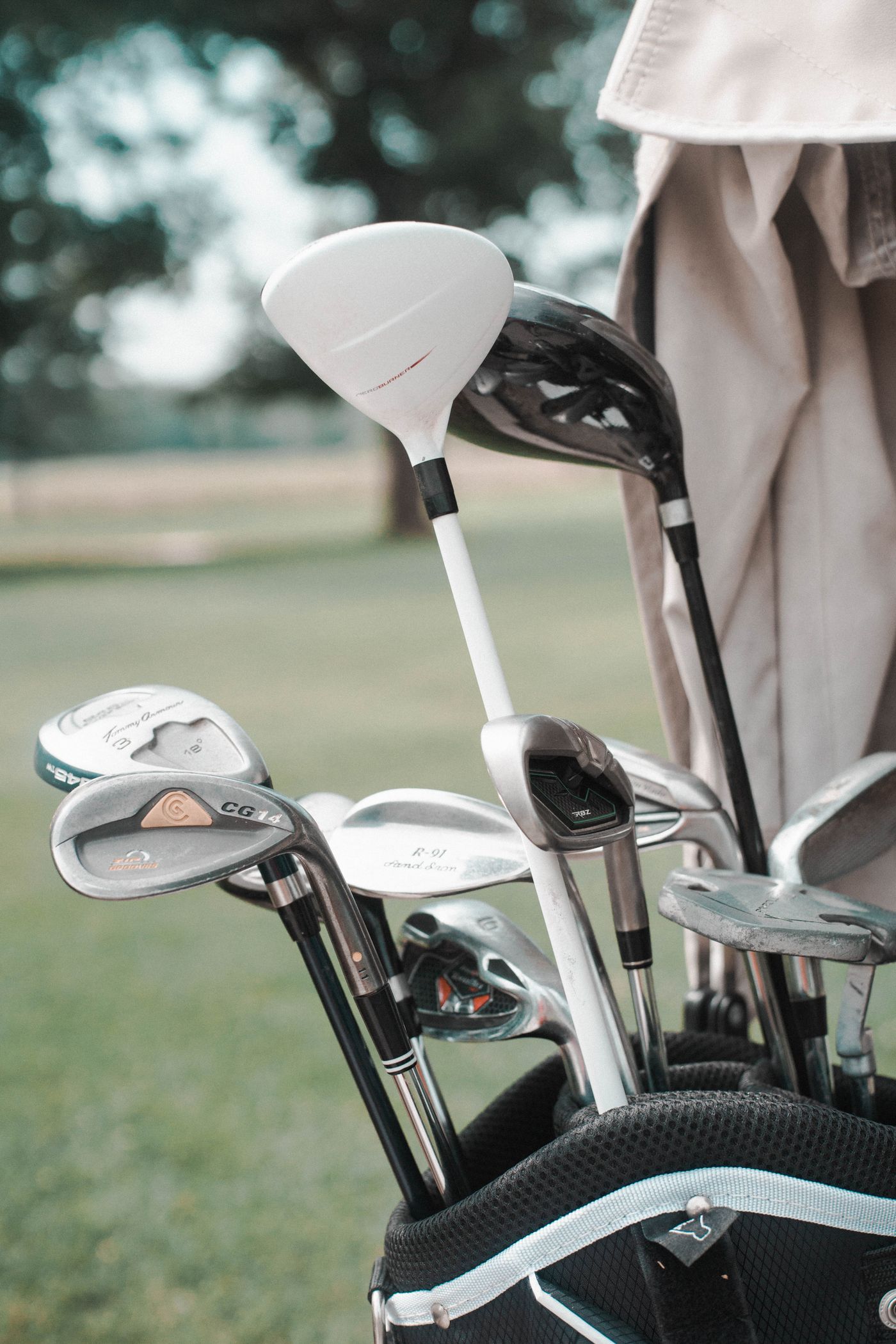
Real club maintenance is less about a fancy product and more about three habits: regripping on a schedule instead of waiting for clubs to feel slick, cleaning grooves without risking a non-conforming club, and drying and storing clubs so shafts and heads don't corrode.
Grip Care
- Replace at least once a year — Golf Pride, the largest grip manufacturer, recommends yearly regripping for regular players, more often with heavy play or hot, sweaty conditions.
- Watch for the real signs — a grip that feels slick or hardened, looks visibly cracked or worn shiny, or has lost its tackiness is overdue. Reduced traction is the practical tell, not a calendar date.
- Budget for it — labor typically runs $1–$5 per club (some shops start under $1/club, others charge close to $6 for specialty putter grips), and grips themselves range from about $4–$6 for budget rubber up to $11–$16+ for premium or corded, and $20–$35+ for specialty putter grips. A full 13-club regrip usually lands somewhere between $100–$260 depending on grip choice and labor rate.
Simple Green Golf Club and Grip Cleaner
$6.77A golf-specific cleaner worth keeping in your bag. Storage and care guides specifically recommend a dedicated golf cleaner over household dish soap for grips — general household chemicals can accelerate grip deterioration and shorten grip life.
Cleaning Method That Won't Damage Your Clubs
Soak iron and wood heads briefly in a bucket of warm water with a little mild dish soap. Scrub the grooves, face, and sole with a soft-bristle brush — never a wire brush, which can scratch modern club finishes and faces. Keep the ferrule and upper shaft out of the water to protect the shaft-to-head bond and reduce rust risk. Wipe and dry completely with a microfiber cloth before storing.
Should You Sharpen Your Grooves?
Face Groove Rescoring Tool
$14.99Real, currently-listed groove tools run $14.99–$39.99. Worth knowing before you buy one: independent MyGolfSpy lab testing found groove sharpeners give inconsistent results — a budget sharpener added 985 rpm of backspin to one worn wedge, while a premium sharpener actually cost a different worn wedge 400 rpm of spin. A PING engineer also noted that altering grooves with a tool risks making a club non-conforming under USGA/R&A rules.
For badly worn wedges, the lab's conclusion was blunt: replacing them outperforms sharpening them.
Storage
Always dry clubs fully before bagging them — leftover moisture on shafts and heads is what promotes rust. Avoid storing clubs in a car trunk or an uninsulated garage; repeated temperature swings can affect shafts, adhesives, and grips over time compared with a climate-controlled closet or storage space.
How do I know it's actually time to regrip, not just clean?
Cleaning restores tackiness temporarily if a grip is just dirty. If it still feels slick after a real cleaning, or it's visibly cracked, shiny, or hardened, that's a grip problem cleaning won't fix — time to regrip.
Is a groove sharpener worth buying?
For lightly worn grooves, maybe — but independent lab testing found results are inconsistent between tools, and altering grooves can risk making a club non-conforming. For a wedge that's genuinely worn out, replacing it is the more reliable fix.
We may earn a commission if you purchase through our links — at no extra cost to you.