If you've narrowed your next driver search to "the most forgiving option from a major brand," you've almost certainly landed on one of these three. Each represents its brand's max-forgiveness flagship, and each takes a genuinely different engineering approach to get there — this isn't a case of three companies building the same driver with different paint jobs.
G430 Max 10K
~$450–500Fixed 10,000+ g/cm² MOI, Carbonfly Wrap crown, largest head profile in Ping's lineup. The straightest of the three out of the box, at the cost of some adjustability.
Shop at Global Golf
Paradym Ai Smoke Max
~$550–600AI-designed face for a more consistent sweet spot across mishits, carbon fiber crown, tungsten weighting for stability. The most forgiving on heel/toe strikes of the three.
Check price →Shop at Global Golf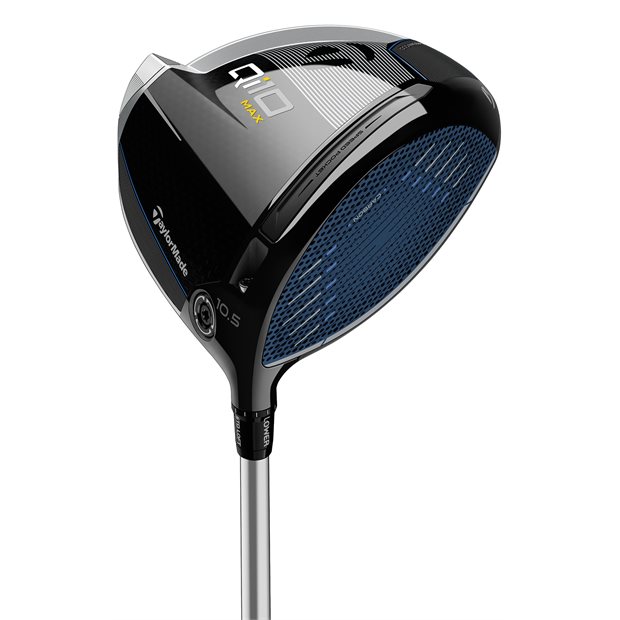
Qi10 Max
~$400–450Carbon and titanium composite for a stable, high-MOI head, moveable weight for draw/fade bias. Now at a real discount since the Qi35 and Qi4D took over as TaylorMade's flagship.
Shop at Global GolfThe Real Difference: Fixed vs. Adjustable Forgiveness
The G430 Max 10K takes the most direct approach — a fixed, extremely heavy backweight pushes total MOI over the 10,000 g/cm² mark, which is about as forgiving as a legal driver head gets. The tradeoff is that weight is fixed, so you get straighter mishits but no draw/fade bias adjustability the way you do on the other two. If you already hit the ball reasonably straight and just want to minimize the damage from an occasional bad swing, that's exactly the right tradeoff. If you're actively fighting a slice or hook, the fixed weighting means the driver isn't going to help you correct it — only minimize how badly it curves.
The Paradym Ai Smoke Max and Qi10 Max both keep a moveable weight system, which costs a small amount of raw forgiveness compared to the G430's fixed 10K design but gives you a real tool to bias the face toward a draw or fade setting. For golfers who know their tendency and want the head to help correct it rather than just soften the mishit, that adjustability matters more than the last few points of MOI.
Sound and Feel
These three sound noticeably different at impact, which surprises a lot of golfers shopping by spec sheet alone. The G430 has a sharper, higher-pitched crack that some golfers find gives better feedback on strike location. The Paradym Ai Smoke's carbon fiber crown produces a deeper, more muted sound that a lot of players describe as more "premium" but that gives less audible feedback on off-center hits. The Qi10 Max splits the difference — not as sharp as the Ping, not as muted as the Callaway.
| Model | Forgiveness | Adjustability | Best For |
|---|---|---|---|
| G430 Max 10K | 5 / 5 | 2 / 5 | Straight hitters wanting max mishit protection |
| Paradym Ai Smoke Max | 4.5 / 5 | 4 / 5 | Golfers wanting forgiveness plus real shot-shape control |
| Qi10 Max | 4.5 / 5 | 4 / 5 | Best value of the three at current pricing |
The G430 Max 10K wins on raw forgiveness. The Qi10 Max wins on value. The Paradym Ai Smoke Max is the one to buy if adjustability matters as much as forgiveness to you.
Which One Should You Actually Buy
If your miss is already fairly consistent and you just want to protect against the occasional bad swing costing you a hole, the G430 Max 10K's fixed high-MOI design is the simplest, most effective answer — there's no setup to get wrong. If you have a known shot-shape issue (a fade you want to turn into a draw, for instance) and want the driver to actively help correct it, the Paradym Ai Smoke Max's adjustability makes it worth the extra cost over the Qi10. And if you're budget-conscious but don't want to sacrifice much real forgiveness, the Qi10 Max at its current discounted price is very hard to beat — you're getting last generation's best-in-class MOI at a meaningful discount purely because TaylorMade has since released two newer flagships.
Is 10,000 g/cm² of MOI actually noticeable over 9,000?
Yes, but the gains are incremental past a certain point — most golfers will notice a meaningful difference moving from a low-MOI blade-style driver to any of these three, but the difference between the three of them on a mis-hit is smaller than the marketing numbers suggest.
Do I need the "Max" version specifically, or is the standard model enough?
The "Max" designation across all three brands specifically means the highest-forgiveness version in that year's lineup, usually at the cost of a small amount of workability and sometimes a slightly larger, less compact head shape. If forgiveness is your top priority, stick with the Max version; if you want a more compact, tour-preferred shape and can live with less forgiveness, look at the standard or LS ("low spin") versions instead.
Divot Depot original
We may earn a commission if you purchase through our links — at no extra cost to you.