Not all golf balls are created equal. Choosing the right ball can unlock better distance, tighter dispersion, and sharper short-game spin. Here's how swing speed should drive your pick, and how the top balls on the market stack up.
How to Match a Golf Ball to Your Swing Speed
Compression rating is a measure of how much the ball compresses when struck — but cover material, core design, and layer count matter just as much.
- Low swing speeds (under 90 mph): Soft, low-compression balls maximize feel and launch. Harder balls may fail to compress adequately, which costs distance.
- Medium speeds (90–105 mph): Balanced urethane covers blend distance with approach and short-game control.
- High swing speeds (105+ mph): Higher-compression, multi-layer urethane or tour balls manage spin and hold up under speed.
Top Golf Balls to Compare in 2026
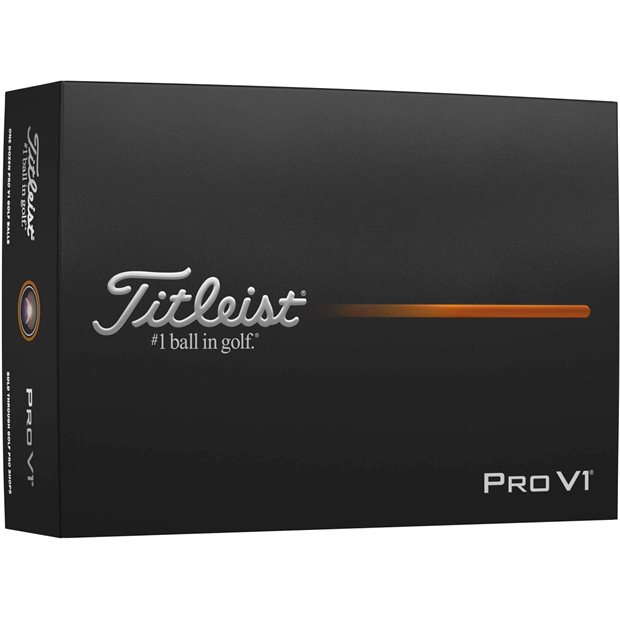
Titleist Pro V1 / Pro V1x
$55–$60 / dzThe tour standard. Pro V1 is softer with lower spin; Pro V1x is firmer with higher spin. Multi-layer construction with a urethane cover. Best for players demanding top-tier feel and consistent spin.
Check price →Shop at Global Golf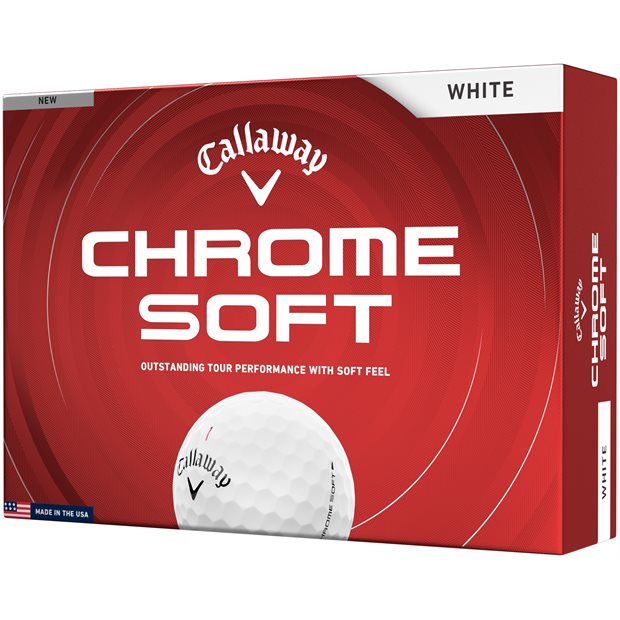
Callaway Chrome Soft / Chrome Soft X
Check priceSoft feel with solid distance; the "X" version adds more spin and trajectory control. Dual-core construction with a high-speed composite and urethane cover — tour-like performance at a lower cost.
Check price →Shop at Global GolfBridgestone e12 Straight
$34.99 / dzBridgestone’s current e12 ball (it replaced the discontinued e12 Contact), built around a Contact Force Dimple design aimed at cutting side spin. A forgiving, lower-cost pick for beginners and higher handicaps. More in our best golf balls for a slice guide.
Shop at Global GolfGolf Ball Comparison
| Ball | Feel | Spin Bias | Flight | Best For | Price |
|---|---|---|---|---|---|
| Titleist Pro V1 / V1x | Premium soft | Moderate–high | Mid–high | Top-tier consistency | $55–$60 |
| Callaway Chrome Soft / X | Soft | Balanced | Mid | Premium feel, lower cost | Check price |
| Bridgestone e12 Straight | Soft–mid | Moderate | Mid | Beginners / straighter flight | $34.99 |
Hard vs. Soft Golf Balls
Soft balls use lower compression and softer cores for enhanced greenside feel, increased spin on full shots, and better performance at lower swing speeds. Hard balls use higher compression and firmer cores for lower tee spin (which reduces slice) at the cost of a less cushioned feel on chips and pitches — better suited to higher swing speeds.
Balls that are too soft for your swing deform excessively and lose distance; balls that are too hard feel harsh on mishits. Premium balls use multi-layer construction to balance both.
Compression Chart
| Compression | Feel | Swing Speed | Examples |
|---|---|---|---|
| 40–70 | Very soft | Below 85 mph | Callaway Supersoft, Srixon Soft Feel |
| 70–90 | Soft–medium | 85–100 mph | Titleist Tour Speed, TaylorMade Tour Response |
| 90–105 | Firm | 100–110 mph | Titleist Pro V1, Callaway Chrome Soft X |
| 105+ | Very firm / tour | 110+ mph | Titleist Pro V1x Left Dash, Bridgestone Tour B X |
How to Test a New Ball On Course
- Hit 3–5 shots with your current ball and note carry and total distance.
- Switch to the new ball and repeat in the same conditions.
- Evaluate feel, launch, spin, and consistency — not just yardage.
- Use a rangefinder or launch monitor to compare spin rate.
- Test your short game (50 yards and in), where feel and cover matter most.
What ball should I play at a low swing speed (under 90 mph)?
Choose softer, low-compression balls (roughly 60–80 compression) for launch, feel, and spin.
Will premium balls give me more distance?
Premium balls sometimes maintain speed on mishits thanks to better aerodynamics, but the biggest gains come from matching the ball to your swing, not the price tag.
Can I mix ball types in one round?
Yes, though consistency suffers — it's better to stick with one model.
Migrated from divotdepotgolf.com
Shop the balls above at Global Golf or Amazon. We may earn a commission if you purchase through our links — at no extra cost to you.