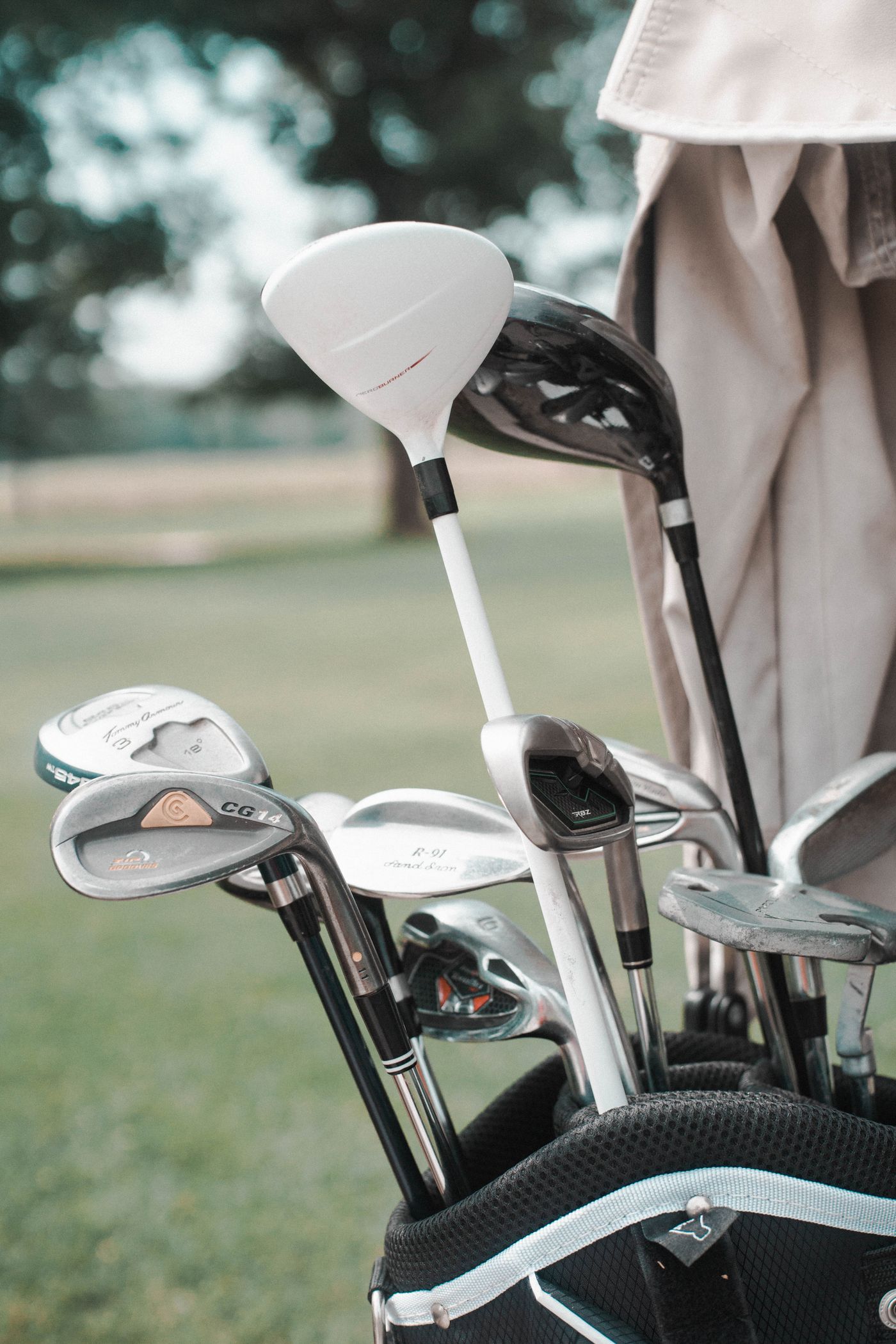
Picking the right driver isn't just about brand — it's about launch angle and spin rate. These two factors directly affect carry distance, rollout, and accuracy. Modern drivers are often marketed as "High Launch" or "Low Spin" — here's what that actually means for your swing.
| Player Profile | Driver Type | Launch | Spin (rpm) | Carry | Total |
|---|---|---|---|---|---|
| Beginner (85 mph) | High Launch | 15–17° | 2,800–3,200 | ~205 yds | ~215 yds |
| Mid-handicap (95 mph) | High Launch | 13–15° | 2,500–2,900 | ~240 yds | ~255 yds |
| Low handicap (105–110 mph) | Low Spin | 11–13° | 1,800–2,200 | ~270 yds | ~295 yds |
| Tour pro (115+ mph) | Low Spin | 10–12° | 1,700–2,000 | ~300 yds | 320+ yds |
Translation: slower swingers benefit from higher launch; faster swingers need lower spin.
High Launch Drivers — the Forgiveness Advantage
Typical loft 10.5°–12°, spin 2,800–3,200 rpm, ~92–94% ball speed retention on off-center hits. 2025 examples: TaylorMade Qi10 Max, Callaway Paradym Ai Smoke Max, Ping G430 High Launch. Best paired with regular or senior-flex graphite shafts.
Low Spin Drivers — Maximum Rollout
Typical loft 8°–10.5°, spin 1,700–2,300 rpm, ~95–97% ball speed retention on center strikes. 2025 examples: TaylorMade Qi10 LS, Titleist TSR4, Callaway Paradym Ai Smoke Triple Diamond. Best paired with stiff or X-stiff, low-torque graphite shafts.
| Driver Type | MSRP | Used |
|---|---|---|
| High Launch | $499–$579 | $299–$399 |
| Low Spin | $549–$649 | $350–$450 |
Most golfers — over 70% — will benefit more from a high launch driver than a low spin one.
Go High Launch if your swing speed is under roughly 100 mph, or you struggle to keep the ball in the air. Go Low Spin if you're swinging 105+ mph and generating too much backspin off the tee.

Titleist GT3 Driver
$449.99A real low-spin bomber for faster swings that want maximum shot-shaping control rather than built-in forgiveness.
Shop at Global GolfMigrated from divotdepotgolf.com
We may earn a commission if you purchase through our links — at no extra cost to you.